
Bottled water production: solve one problem
Uneven Water Bottle Fill Levels: Verify Underfill Before Changing the Filler
Different headspaces do not, by themselves, prove that a filler dispensed different quantities. Bottle geometry, the observation point and the measurement method can change the conclusion. Start with a comparable sample rather than adjusting every valve.
Hold suspect product under your quality procedure. Confirm whether the agreed result is fill height, net mass or volume, then compare identified bottles by valve, lot and operating phase. Keep the independent quantity check separate from the inspection system's reject decision.
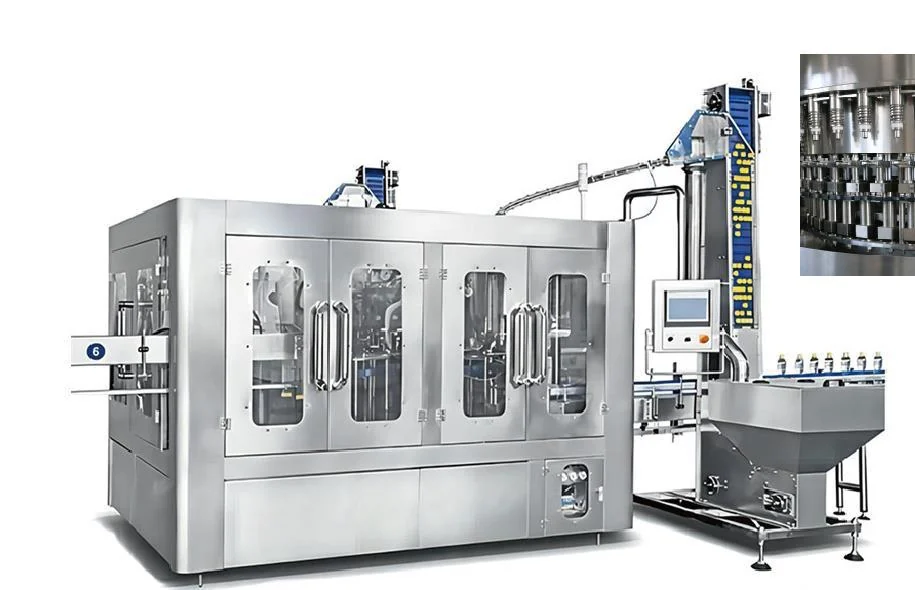
Define the fill result before comparing bottles
Use one approved bottle drawing, neck revision and material lot. Record water temperature, recipe, machine identity, sampling location, settling time and bottle orientation. Compare liquid after the same agreed observation interval; bubbles, tilted bottles and a different viewing height can make a visual comparison misleading.
Have the quality owner specify the actual acceptance method and product-disposition rule. Fill height is a geometric observation, not automatically net volume. For a mass-based check, use a verified instrument and the approved tare method; outside water, caps and labels must be handled consistently. Do not substitute the inspector's displayed signal for an independent reference measurement.
Arithmetic example only: 520.0 g gross mass minus 20.0 g approved tare equals 500.0 g net product mass. That calculation does not establish 500 ml without a validated density/temperature conversion and method. The example supplies neither a legal tolerance nor a recommended acceptance limit.
Compare the pattern, not just the whole-line average
Keep results by safely identifiable filling valve, bottle lot and startup/stable/restart phase. An average can conceal one low-filling valve. If valve assignment is unavailable, mark it unknown and request an approved traceability method rather than reaching inside the machine.
| Observed pattern | Evidence to retain | Review before an adjustment |
|---|---|---|
| Headspace differs but the independent quantity result is consistent | Bottle drawing/lot, upright settled samples and matched viewing point | Bottle geometry and measurement basis, not an assumed dosing fault |
| Low results repeat at one valve under the same conditions | Valve identity, approved bottle lot, fill result and centering observations | Valve/vent path, bottle support and contact condition through qualified service |
| Several valves change at startup or after a stop | Recipe, timing, permitted supply readings and matched operating-phase samples | Shared supply or cycle conditions against the actual machine instructions |
| Inspector rejects samples that pass the independent reference method | Linked sample identities, format recipe, sensor view and reject record | Inspection set-up and product presentation; do not disable rejection to hide a fault |
Retest one approved change and preserve the baseline
Do not open guards, touch moving valves, change pressure or alter product-contact parts from this article. Qualified personnel must follow isolation, hygiene and the actual OEM instructions. Longer filling time, greater pressure or a wider inspection threshold is not a universal remedy.
- 01
Freeze the bottle/water basis and reference method. Retain the original recipe, tare records and identified good/suspect samples before intervention.
- 02
Collect matched valve-group samples at startup, stable running and stop/restart. Record every observed result and the time of collection, not only a successful run.
- 03
Ask qualified personnel to review the suspected interface. Authorize one permitted change and record its old/new state plus any product-contact or cleaning consequence.
- 04
Repeat the same sampling and independent check. Evaluate the agreed inspection/reject challenge and segregation response without bypassing safeguards.
- 05
Have the quality owner review the whole result and disposition. A passing retest does not automatically release product made before the correction.
Choose a measurement, service or machinery scope
When the discrepancy disappears under a controlled reference method, clarify measurement and container variation first. A repeatable valve-specific shortfall calls for serial-specific service. A common-phase disturbance calls for review of the shared conditions; it is not proof that all valves need replacement.
For an upgrade, name the approved fill basis, bottle range, retained product path, proposed dosing/inspection functions, reject handling and acceptance test. Ask Allot Tech to review the evidence. Availability, retrofit fit, accuracy and supply scope require written machine-specific confirmation.
- Machine model, serial, filling principle and valve identities
- Approved bottle/neck drawings, revisions and material lots
- Water condition, recipe and sampling/settling timestamps
- Reference instrument, tare method, units and acceptance basis
- Individual results by valve, lot and operating phase
- Inspection/reject records, retained samples and quality disposition
Questions buyers ask
Does a lower visible fill level always mean underfill?
No. First compare the same approved container upright at the same settling time and verify quantity using the agreed method. A different bottle shape or viewing point can change the visible headspace without proving a different dispensed quantity.
Should I increase filling time when some water bottles are low?
Not without isolating the pattern and the machine's actual control method. A valve-specific issue, a common startup condition and an inspection set-up error need different reviews. Any permitted change must be validated for quantity, cycle behavior and hygiene under the OEM procedure.
Related troubleshooting guides
Water filling machine low output
Water filling machine low output →Water bottle shrink-pack problems
Water bottle shrink-pack problems →Cap leaks after capping
Cap leaks after capping →Wrinkled or skewed bottle labels
Wrinkled or skewed bottle labels →Conveyor jams and tipping
Conveyor jams and tipping →Ask Allot Tech to review the evidence
Send your machine identification, package drawing and timed observations. State what is unknown so the proposed scope follows the actual problem.