
Bottled water production: solve one problem
Water Filling Valve Dripping Between Bottles: Locate the First Fresh Drop
Water below a filler can come from a fresh outlet drop, splash from a bottle, an external connection or a later wet package. A wet floor or bottle shoulder does not identify a valve fault. A commanded close state is also not independent evidence that the physical outlet stopped releasing liquid.
From approved safe observation positions, link the first fresh drop to its outlet, bottle and operating phase. Distinguish closing transition, steady running, stop/restart and approved cleaning return. Keep product hold and hygiene decisions with quality; do not continue production simply because the average fill amount is correct.
Define an observation opportunity rather than counting puddles
Record filler serial, actual valve family and outlet identity, approved bottle revision, product route and permitted operating phase. Preserve relevant service, parts and cleaning records without inventing a pressure or seal diagnosis. The same outside appearance does not prove two filling valves use the same closing mechanism.
Agree what counts as a new post-close drop and the safe observation interval. Separate liquid already on an exterior surface from a new drop emerging at the outlet. Pair the observation with the corresponding bottle position and event time. A control indication, aggregate flow reading and physical liquid release describe different evidence.
Illustration: 7 observed post-close drip opportunities among 350 comparable closing opportunities equal 2%. Define the opportunity window first and keep repeat drops in that window separate from affected opportunities. The number is not leaked volume, fill accuracy, a permitted defect rate or Allot Tech performance.
Separate the liquid origin before naming a worn part
Keep observations by valve and phase rather than pooling a whole shift. A recurring valve location is useful evidence, but only the responsible specialist can determine the relevant mechanical or process cause.
| Pattern | Linked evidence | Scope to review |
|---|---|---|
| A fresh drop originates at one outlet after the agreed close event | Outlet identity, event window and actual liquid origin | Serial-specific filling/closing path and authorized service review |
| Liquid arrives on the shoulder without a new outlet drop | Matched upstream shoulder and filling/transfer observations | Splash or external wetting boundary, not presumed seal wear |
| The first drip occurs only at stop or restart | Phase, first event, affected valve and product route record | Permitted transition behavior and connected controls responsibility |
| The outlet is dry but an external joint is wet | Safe origin observation and actual connection identity | External service/hygiene review separate from fill-volume control |
Use qualified service and a matched retest
This is not a disassembly or seal-replacement instruction. Do not reach under a running filler, catch liquid by hand, bypass protection or change pressure, timing or cleaning chemistry. Follow OEM isolation, stored-energy, hygiene and product-hold procedures.
- 01
Preserve original configuration, event-linked observations, valve identity and approved product/bottle basis.
- 02
Agree safe sampling, the post-close window and quality disposition for potentially affected product.
- 03
After isolation, have qualified personnel locate the first failed liquid boundary and authorize one permitted action.
- 04
Repeat the same valve/phase observation through the originally failed stable or stop/restart case; retain adverse results.
- 05
Quality reviews hygiene, product disposition and separately required fill/closure checks; a dry floor alone does not qualify the filler.
State the service and acceptance boundary in a quotation
An outlet closing problem, bottle splash and external connection leak require different evidence and interventions. Do not buy a larger filler or change the bottle dryer to hide an unresolved liquid source. Keep the failure origin attached to the proposed parts, service or interface work.
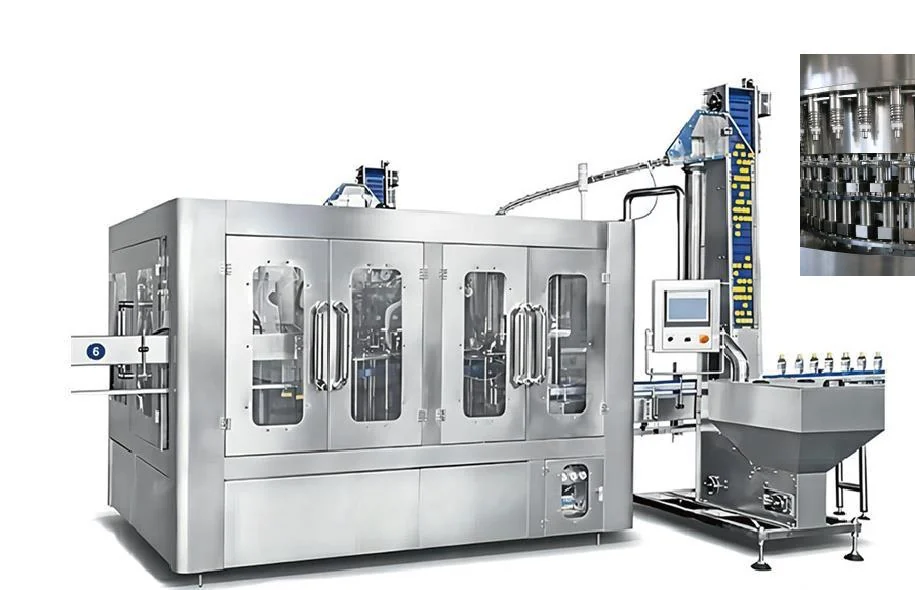
Ask Allot Tech to identify the actual valve technology, serial-specific parts, retained product route, cleaning interfaces and included tests in writing. A catalog monoblock photograph does not demonstrate a particular anti-drip design, cleaning validation, compatibility range or stocked replacement seal.
Separate installation completion from quality release. The trial should include the phase that failed, approved materials and the agreed post-close observation window. Document who reviews hygiene and who accepts the connected filling/capping transfer. Unknown service history remains an open item, not a promise that a generic spare will fit.
- Filler serial, valve family and outlet mapping
- Approved bottle and product route revisions
- Time-linked fresh-drop origin observations
- Stable, closing, stop/restart and approved return phases
- Service, fitted parts and cleaning-interface records
- Product hold, quality criteria and acceptance owners
Questions buyers ask
Does a close signal prove the nozzle cannot drip?
No. The command and actual liquid release are different observations. Compare the agreed physical post-close window with the event record using safe approved methods.
Will a stronger bottle dryer solve a filling outlet drip?
It does not correct the source. First distinguish an outlet drip from splash and downstream wetting, then qualify the authorized correction and product disposition.
Related troubleshooting guides
Water filling machine low output
Water filling machine low output →Water bottle shrink-pack problems
Water bottle shrink-pack problems →Cap leaks after capping
Cap leaks after capping →Wrinkled or skewed bottle labels
Wrinkled or skewed bottle labels →Uneven fill levels and underfill
Uneven fill levels and underfill →Conveyor jams and tipping
Conveyor jams and tipping →Missing or unreadable date codes
Missing or unreadable date codes →Wet bottles after drying
Wet bottles after drying →Startup rejects after changeover
Startup rejects after changeover →Missing or extra bottles in packs
Missing or extra bottles in packs →Cap feeder jams and missing caps
Cap feeder jams and missing caps →PET bottle scuffing and scratches
PET bottle scuffing and scratches →Label web breaks and torn liners
Label web breaks and torn liners →Cartons reopening after sealing
Cartons reopening after sealing →PET bottle bases rocking after blowing
PET bottle bases rocking after blowing →Reject signal without physical bottle removal
Reject signal without physical bottle removal →Water pallet loads leaning after stacking
Water pallet loads leaning after stacking →Ask Allot Tech to review the evidence
Send your machine identification, package drawing and timed observations. State what is unknown so the proposed scope follows the actual problem.