
Operational readiness · controlled spare categories
Prepare Startup Spares from the Final Machine Configuration
A generic spare-parts percentage does not identify what can stop the line. Startup stock must trace to the final machine bills, bottle formats, operating plan, local availability and maintenance capability.
DIRECT ANSWER
What the buyer should decide
Build the startup list after the machine and format configurations are released. Separate items used during commissioning from reserve maintenance stock, SKU change parts, operating consumables and special tools. Before shipment, reconcile the approved list with what remains physically available.
| Decision field | Confirm | Why it changes the purchase |
|---|---|---|
| Startup | Commissioning losses and first operating period | Controls immediate readiness |
| Criticality | Failure consequence and local availability | Controls priority stock |
| Format/consumable | SKU-specific parts and operating materials | Controls daily continuity |
BUYER DECISION WORKBENCH
One startup list needs several different supply decisions
The label 'spare package included' leaves too much unclear. Use a separate line for each item and a written included, optional or buyer-supplied decision.
| Category | Typical purpose | Confirm before shipment |
|---|---|---|
| Commissioning-use items | Support assembly, setup and the agreed trial period | Who supplies them, what has already been consumed and whether replenishment is included |
| Reserve wear or critical spares | Support the reviewed early-operation recovery plan | Exact part numbers, accepted quantities, machine locations and preservation |
| Format/change parts | Support the bottle, cap, label or pack SKUs ordered | A complete matched set for each released format, identified for storage |
| Operating consumables | Labels, film, cartons and approved process materials | Specification, source, usable shelf life where applicable and buyer/supplier responsibility |
| Special tools and records | Enable the agreed maintenance and setup scope | Tool identity, suitability, controlled documents and responsible trained personnel |
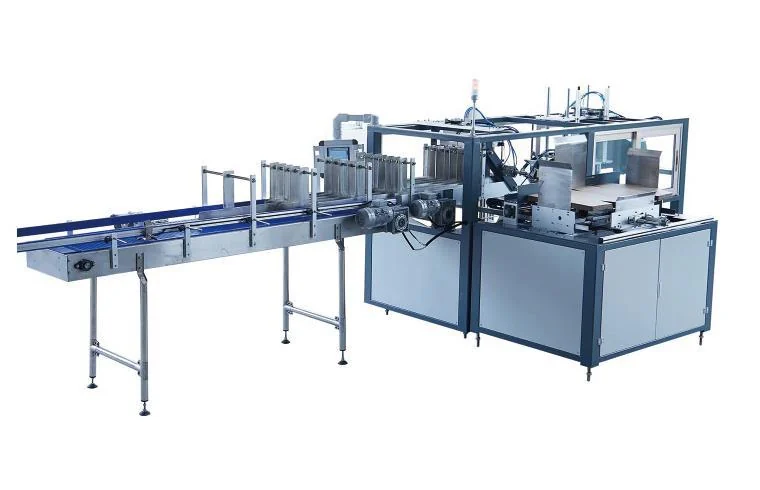
BUYER DECISION WORKBENCH
Reconcile ordered stock with usable stock at handover
Illustrative record: 12 identical approved seals arrive, three are consumed during commissioning and one is quarantined for review. Eight remain usable. A shipment quantity of 12 does not mean 12 are available for startup recovery.
| Handover check | Record against the approved list |
|---|---|
| Identity | Machine/part number, revision, lot or other traceability where relevant |
| Quantity | Ordered, received, consumed, reserved, quarantined and usable units with clear non-overlapping definitions |
| Condition and storage | Packaging, preservation, stated shelf life and actual storage location |
| Exceptions | Missing, damaged, substituted or unidentified items and the owner of each resolution |
| Release | Evidence that the delivered part matches the approved specification and the receiving record |
- Keep quarantined items outside the usable balance until they are formally released.
- Record a commissioning item taken from reserve stock instead of counting it twice.
- Do not add unlike items into one apparently reassuring total.
- Carry unresolved shortages or substitutions into the pre-shipment/handover action list.
The quantities are an accounting example, not a recommended stock level. Set actual stock from the configured machine, operating plan, replenishment time and agreed risk decision.
REQUIRED INPUTS
Prepare the evidence before selection
Missing fields should remain marked as open rather than converted into assumptions.
- Final machine configuration
- Supplier recommended-parts list
- Expected operating hours
- Local sourcing lead time
- Maintenance skill and tools
- Bottle, label and pack consumables
TRADE-OFFS
Make the choice visible
Every option changes the machinery, operating work or project boundary.
Larger initial stock
Reduces exposure while tying up cash and storage.
Local sourcing
Can shorten replenishment if specification and quality are controlled.
Standardized components
Simplifies stock but must match the approved electrical and mechanical design.
PURCHASING RISKS
Do not let these gaps hide in the quotation
Carry every unresolved item into clarification and contract documents.
- Ordering spares before final configuration
- Missing format-specific parts
- Treating consumables as machine spares
- Receiving parts without identification records
WORK SEQUENCE
Move from data to a controlled next action
- 01
Freeze the installed configuration.
- 02
Classify failure and operating items.
- 03
Confirm part numbers and quantities.
- 04
Plan labeling and storage.
- 05
Review stock after startup experience.
BUYER QUESTIONS
Answers to common bottled-water machinery searches
Use these answers to prepare the next supplier question; final configuration remains project-specific.
Are startup consumables included with every bottling machine?
Do not assume so. The quotation should identify included, optional and buyer-supplied materials separately, together with the trial/commissioning period they cover.
Are bottle-format parts ordinary spare parts?
They serve a different purpose. A format set changes the approved bottle, closure, label or pack configuration; maintenance spares replace identified components in the existing configuration.
What should be checked before accepting a spare-parts shipment?
Check identity and revision, quantities actually remaining, condition, storage guidance, documents and unresolved substitutions. Reconcile consumed or quarantined items separately from usable stock.
Technical descriptions are selection guidance. Final machine, capacity, material, component, interface, utility and service details must be confirmed in the project proposal.
Content reviewed:
NEXT PURCHASING ACTION
Build the spare register from approved machine lists.
Send the operating plan and local sourcing constraints for review.