
Complete machinery index · not a product listing
Bottled Water Machinery Atlas by Production Stage
Use this atlas to identify what each machine does, whether it is core, optional or site-specific, and what must enter and leave the machine. Open a category only after you know which purchasing question it must answer.

DIRECT ANSWER
What the buyer should decide
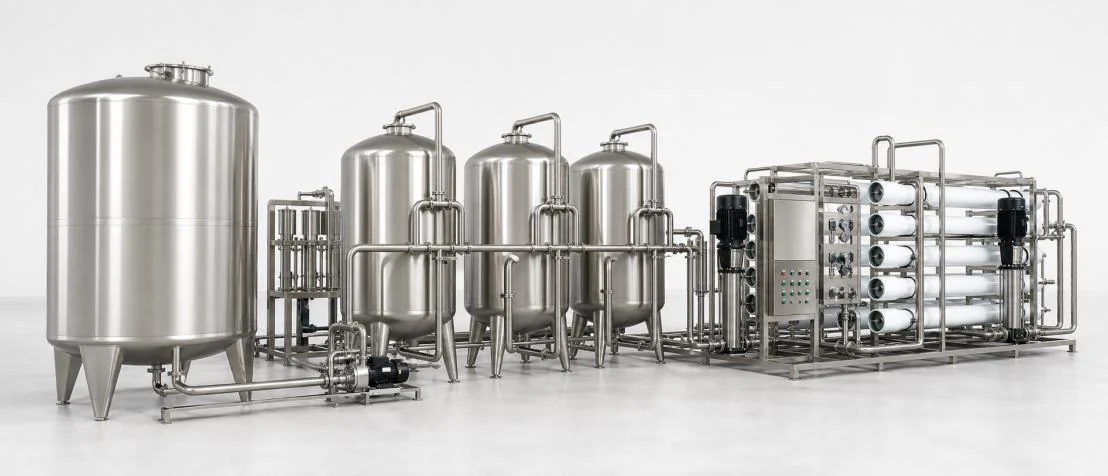
A bottled-water machinery set combines the equipment needed for the water source, container and finished pack. Compare the catalog family first, then select treatment, bottle supply, filling/capping, labeling and packing as separately defined purchase blocks. Retained equipment can remain when its interfaces and condition are verified.
| Decision field | Confirm | Why it changes the purchase |
|---|---|---|
| Core production | Water treatment as required, bottle supply, filling/capping and a defined final pack | Confirm which stages are buyer supplied |
| Automation options | Unscrambling, inspection, automatic packing and handling | Add only where labor and quality plans justify them |
| Connection scope | Conveyors, controls, utilities, change parts and site interfaces | Assign one owner at every boundary |
BUYER DECISION WORKBENCH
Which machinery family fits your bottle?
Start with the actual container route, then compare a machine family and its connection to the equipment you need. The Allot Tech Beverage Bottling Catalog 2026 distinguishes the following equipment; a family reference is not a stocked package or an approved format list.
| Container task | Catalog equipment reference | Boundary that matters | Next selection step |
|---|---|---|---|
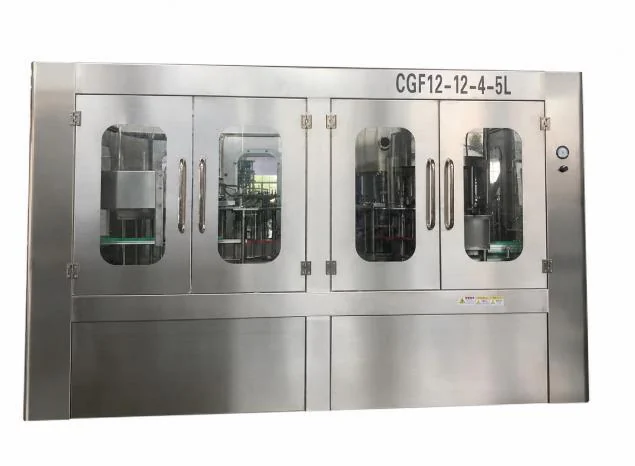
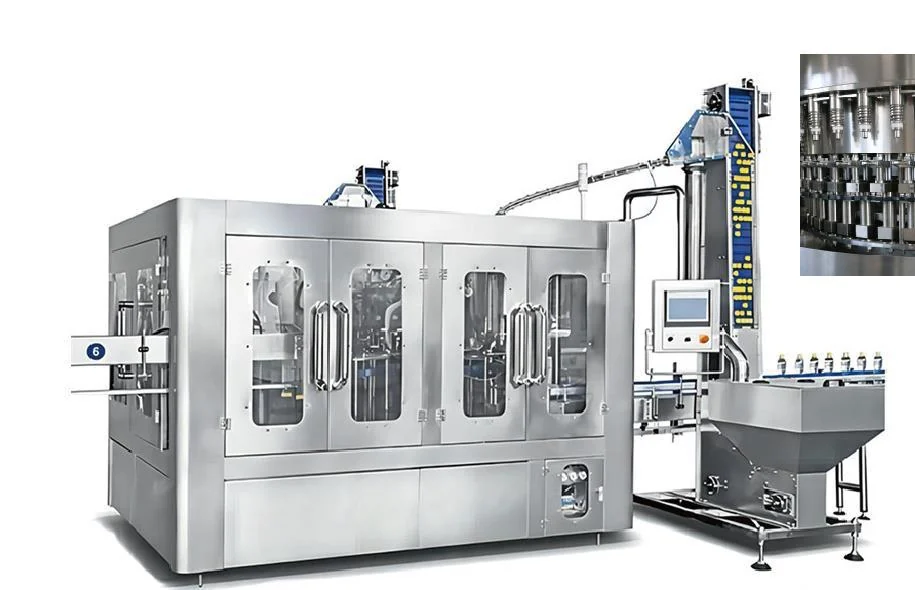
| Small PET/plastic still-water bottles | XGF 3-in-1 washing, filling and capping; model references on pages 9-10 | The listed capacities use a 500 ml basis. The reference container envelope is not proof that every bottle shape can run. | Compare XGF model data, then submit bottle and closure drawings. |
| 3-15 L bottles | Rotary large-format 3-in-1 machine on page 20 | The catalog identifies the volume class but does not give an output rating for this rotary arrangement. | Confirm bottle handling, filled mass, cap route and each format's output. |
| 3-10 L bottles | Linear large-format 3-in-1 machine on page 20 | Do not extend this reference to 15 L or substitute the separate piston-filler data printed beside it. | Compare the linear arrangement with the rotary option on the actual bottle. |
| 18.9 L / 5-gallon containers | QGF washing, filling and capping family on page 21 | Returned containers add receiving, inspection and cleaning tasks that differ from one-way PET. | Use the dedicated large-container selection path and confirm the exact container. |
Water treatment, bottle manufacture, labels, packing and utilities are separate selection blocks unless the quotation includes them. These catalog descriptions do not establish current availability or replace a project-specific offer.
BUYER DECISION WORKBENCH
Three practical bottled-water machinery sets
Start with how the container arrives and how the finished pack leaves. The combinations below are selection examples, not fixed packages; water treatment follows the source-water analysis and finished-water target.
| Container route | Machinery combination to evaluate | What changes the purchase |
|---|---|---|
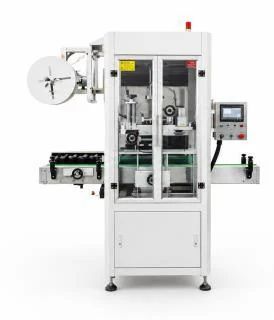
| Purchased one-way PET bottles | Bottle loading or unscrambling, rinsing/filling/capping, labeling/coding, packing and conveyors | No bottle blower is required in this route. Bottle receiving, storage and clean handling still need space and equipment. |
| PET bottles made on site | Preform feeding, blow molding and molds, air and cooling services, transfer, rinsing/filling/capping, labeling and packing | Include the blower auxiliaries and its connection to the filler; a blower price alone does not cover bottle production. |
| Returned 5-gallon containers | Return inspection, decapping and washing, filling/capping and large-container handling | Returned containers need a dedicated cleaning and inspection path. They do not use the small one-way PET machine set. |
BUYER DECISION WORKBENCH
Specify the machines you need to buy and the ones you can keep
An existing machine can stay in the proposal when its format range, condition and interface fit the new operating plan. Identify its serial number and available drawings so the quotation covers adapters, transfer sections and control work instead of automatically replacing the whole line.
| Project | Shortlist first | Bring into the configuration review |
|---|---|---|
| New machinery set | The container route, filling stage and final-pack equipment | Bottle/cap sample, good bottles per shift, label and pack pattern |
| Add a new bottle size | Format parts, handling adjustments and downstream pack changes | Old and new bottle drawings, neck finish, labels and pack dimensions |
| Replace one machine | The affected machine plus its two adjacent connections | Infeed/outfeed height, direction, available opening and machine-state signals |
REQUIRED INPUTS
Prepare the evidence before selection
Missing fields should remain marked as open rather than converted into assumptions.
- Water and treatment target
- Bottle/preform and cap data
- Required saleable output basis
- Label and finished-pack definition
- Factory dimensions and utilities
- Existing machinery and future formats
TRADE-OFFS
Make the choice visible
Every option changes the machinery, operating work or project boundary.
Complete scope versus phased purchase
A phased plan may reduce initial scope but must preserve future elevations, controls and space.
Automation versus exception handling
Labor reduction is useful only when operators can still recover jams, change formats and maintain sensors.
Machine rating versus line output
Every rating must be normalized to one bottle, pack and operating assumption.
PURCHASING RISKS
Do not let these gaps hide in the quotation
Carry every unresolved item into clarification and contract documents.
- Buying isolated machines with no transition scope
- Treating all bottle sizes as one unchanged format
- Leaving compressors, chillers or power distribution undefined
- Comparing prices before inclusions and exclusions are normalized
WORK SEQUENCE
Move from data to a controlled next action
- 01
Choose the buyer scenario.
- 02
Map the production stages.
- 03
Classify core, optional and buyer-side items.
- 04
Open each machinery page and record interfaces.
- 05
Submit one consolidated machinery brief.
Representative machinery views
Compare the machinery form before selecting the project scope
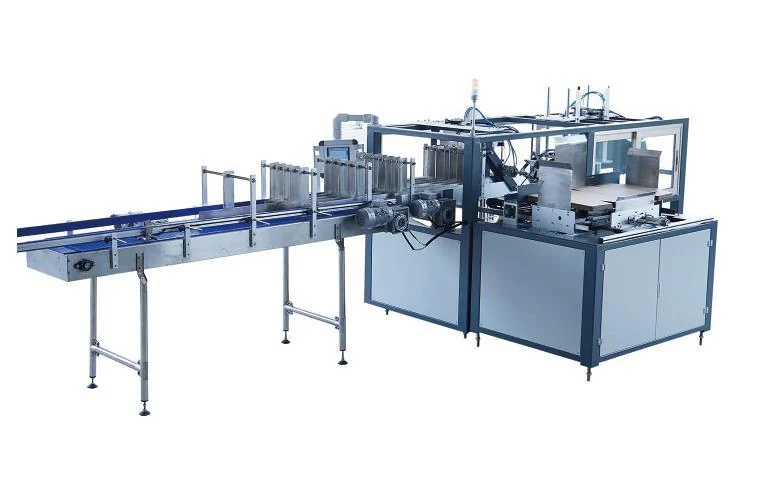
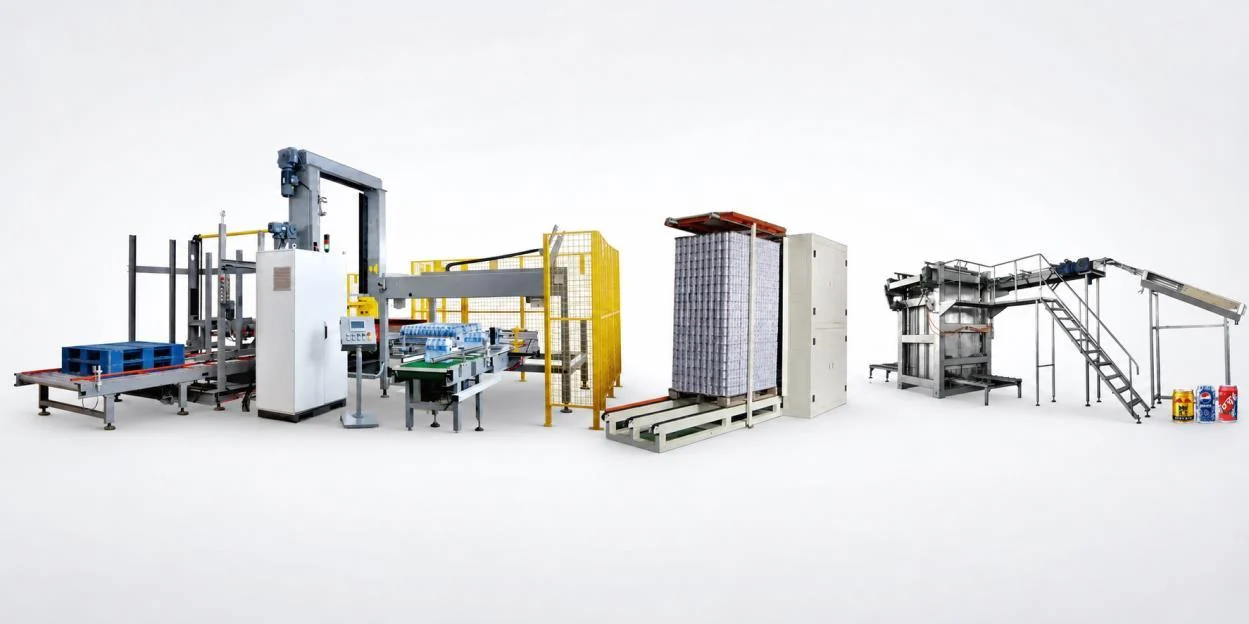
Technical descriptions are selection guidance. Final machine, capacity, material, component, interface, utility and service details must be confirmed in the project proposal.
Content reviewed:
NEXT PURCHASING ACTION
Turn the atlas into your machinery scope.
Select likely machines, mark retained equipment and list the data still missing.