
Buyer scenario · New machinery scope
Build a New Factory Machinery Set Without Missing the Interfaces
A new project needs a machine ledger before it needs a model list. Start with the water, bottle-supply method, fill and cap stage, market label, sellable pack and operating plan. Then add handling, inspection, automation and utilities only where the project calls for them.

DIRECT ANSWER
What the buyer should decide
The preliminary set should mark every item CORE, OPTIONAL, BUYER-SIDE or DATA REQUIRED. It remains illustrative until water, bottle, output, layout, utilities and destination data are confirmed.
| Decision field | Confirm | Why it changes the purchase |
|---|---|---|
| Bottle supply | Buy finished bottles or blow PET in-house? | Changes blower, air, cooling and handling scope |
| Saleable pack | Loose bottle, shrink pack, tray or carton? | Changes packing, consumables and pack handling |
| Automation | Which loading, inspection and handling tasks need automation? | Separates useful options from catalog additions |
BUYER DECISION WORKBENCH
Start with the machinery set for the actual container route
The machine set changes first with the bottle lifecycle. The rows below name practical equipment blocks a buyer can place into an RFQ. Each is a selection route, not a fixed package or a claim that every listed item is required.
| Production route | Core machinery blocks to evaluate | Conditional additions and exclusions |
|---|---|---|
| Small PET with purchased empty bottles | Water treatment and storage; bottle receiving or unscrambling; rinse-fill-cap monoblock; cap feed; labeling and coding; secondary packing; conveyors and line control | No blow molder by default. Add inspection, pallet handling and utility packages only when the project scope calls for them. |
| Small PET with in-house blowing | Water treatment and storage; preform feed; PET blow molding and molds; approved bottle transfer; rinse-fill-cap; cap feed; labeling and coding; packing and controls | High-pressure air, air treatment, cooling and bottle-transfer interfaces need separate scope lines. |
| One-way 3-15L bottles | Water treatment; confirmed large-bottle handling; washing or rinsing, filling and capping arrangement; label and code equipment; discharge handling | Monoblock versus separate linear equipment depends on the actual bottle, closure, output and sanitation basis. |
| Returnable 5-gallon containers | Returned-bottle receiving and inspection; decapping where required; washing; filling and closure application; large-container conveying and finished-container handling | Do not substitute the small-PET equipment path. Return logistics, container condition and washing acceptance remain project-specific. |
- Choose one primary container route before requesting a machine list.
- Mark each block CORE, OPTIONAL, EXISTING, BUYER-SIDE or OPEN.
- Add the final sellable pack and pallet handoff so the list reaches a finished unit.
- Use the machinery scope builder to send the marked list with bottle, water, output and layout data.

REQUIRED INPUTS
Prepare the evidence before selection
Missing fields should remain marked as open rather than converted into assumptions.
- Raw-water and target-water basis
- Bottle/preform/cap data
- Required output and operating schedule
- Label and pack formats
- Factory space and utilities
- Labor and future-expansion plan
TRADE-OFFS
Make the choice visible
Every option changes the machinery, operating work or project boundary.
Buy bottles or blow in-house
The choice changes capital scope, utilities, storage and bottle-quality control.
Phased or complete purchase
A phased plan still needs future elevations, control points and reserved space.
Manual or automatic handling
Automation should be tied to a named labor or quality task.
PURCHASING RISKS
Do not let these gaps hide in the quotation
Carry every unresolved item into clarification and contract documents.
- Calling a quote complete without classifying exclusions
- Sizing from one filler rating
- Ignoring bottle and pack changeovers
- Leaving local utilities and installation unassigned
WORK SEQUENCE
Move from data to a controlled next action
- 01
Define the product and bottle.
- 02
Choose bottle supply and final pack.
- 03
Map core machinery.
- 04
Add justified options.
- 05
Assign utilities and site items.
- 06
Issue one consolidated RFQ.
Representative machinery views
Compare the machinery form before selecting the project scope
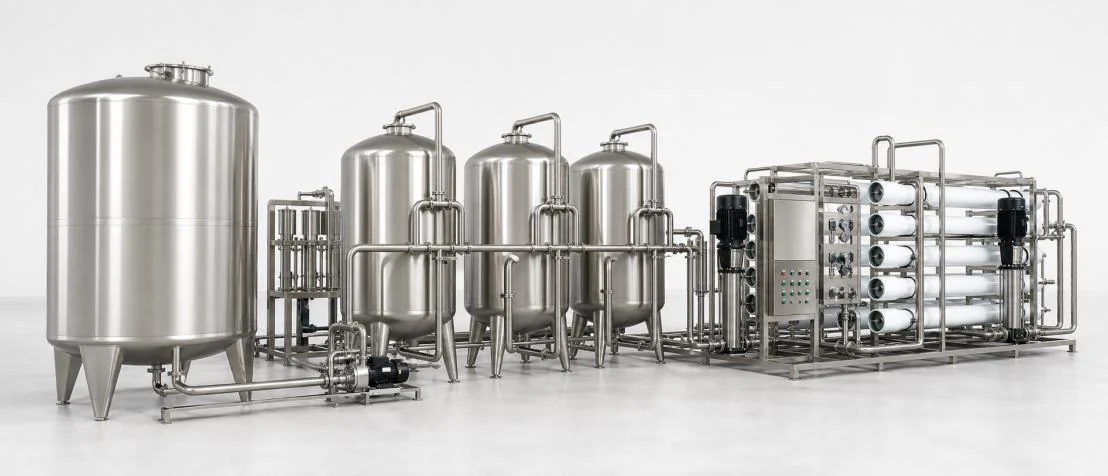
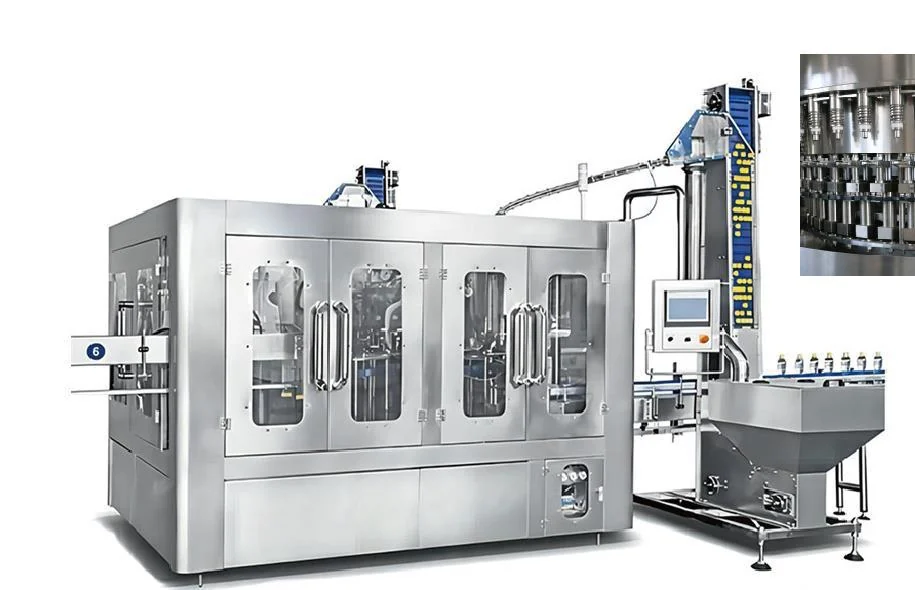
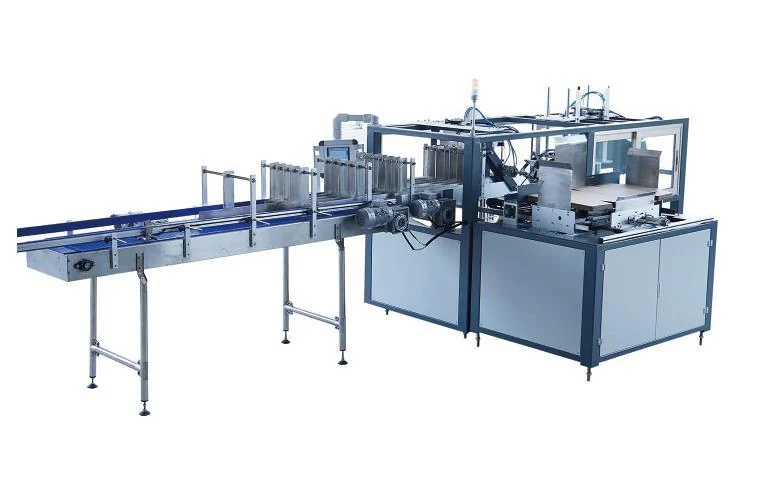
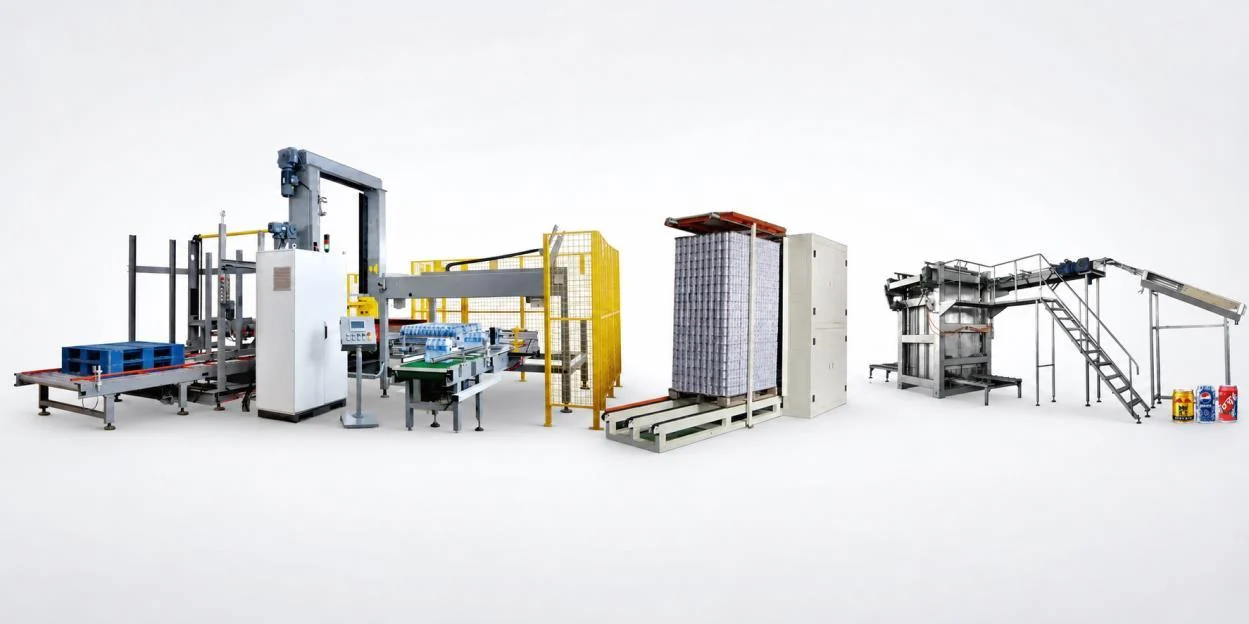
Technical descriptions are selection guidance. Final machine, capacity, material, component, interface, utility and service details must be confirmed in the project proposal.
Content reviewed:
NEXT PURCHASING ACTION
Create the first machinery ledger.
Classify likely equipment and expose the project data still missing.