
Bottle supply decision · make-or-buy scope
Choose Between Buying Empty Bottles and Blowing PET In-House
The bottle-supply method changes the machinery list, factory layout and operating risk. Buying finished bottles removes the blower but adds bulky transport and storage; in-house blowing adds preform handling, molds, compressed air, cooling and bottle-quality control.
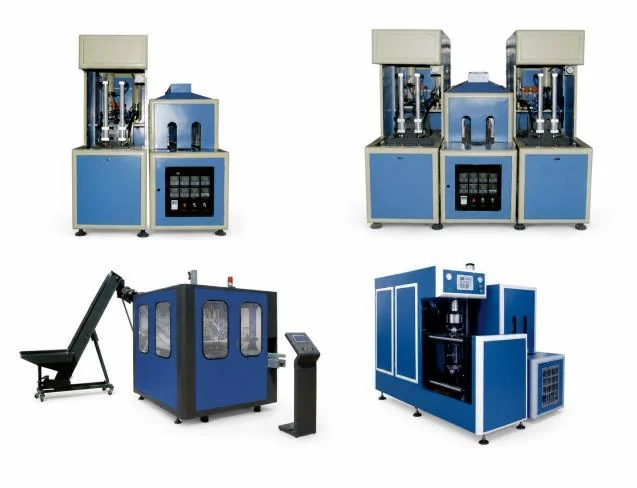
DIRECT ANSWER
What the buyer should decide
Compare both routes on the same bottle demand and approved design. Include bottle freight and storage, preform supply, mold ownership, high- and low-pressure air, cooling, maintenance, scrap and the transfer into the filler.
| Decision field | Confirm | Why it changes the purchase |
|---|---|---|
| Buy finished bottles | Supplier makes and delivers the approved bottle | Verify freight, storage and incoming quality |
| Blow in-house | Preforms are heated and stretched in owned machinery | Verify blower, mold, air, chiller and skills |
| Phased route | Begin with bottles and reserve a future blower interface | Protect layout, utilities and transfer geometry |
BUYER DECISION WORKBENCH
Compare the cost per usable bottle on both routes
Use the same approved bottle and the same annual demand. Compare costs per usable bottle delivered to the filler; purchased-bottle freight and in-house rejection or utilities otherwise disappear from the comparison.
| Cost or resource | Buy finished bottles | Blow PET on site |
|---|---|---|
| Material input | Delivered empty-bottle price and accepted incoming quantity | Preform price, accepted preforms and bottle-forming yield |
| Transport and storage | Transport and covered storage for empty bottles | Preform transport/storage plus handling around the blower |
| Machinery and auxiliaries | Receiving/loading, orientation and transfer equipment | Blower, molds, air generation/treatment, cooling and transfer |
| Operating work | Receiving checks, loading, handling and supply coordination | Blower operation, quality checks, mold changes and maintenance |
| Loss and disruption | Damaged bottles, delivery interruption and approved backup supply | Rejected bottles, utility interruptions, maintenance and backup supply |
Allocate machinery and recurring costs over a clearly stated volume and period. A lower preform price does not by itself establish a lower usable-bottle cost; no universal break-even volume is assumed.
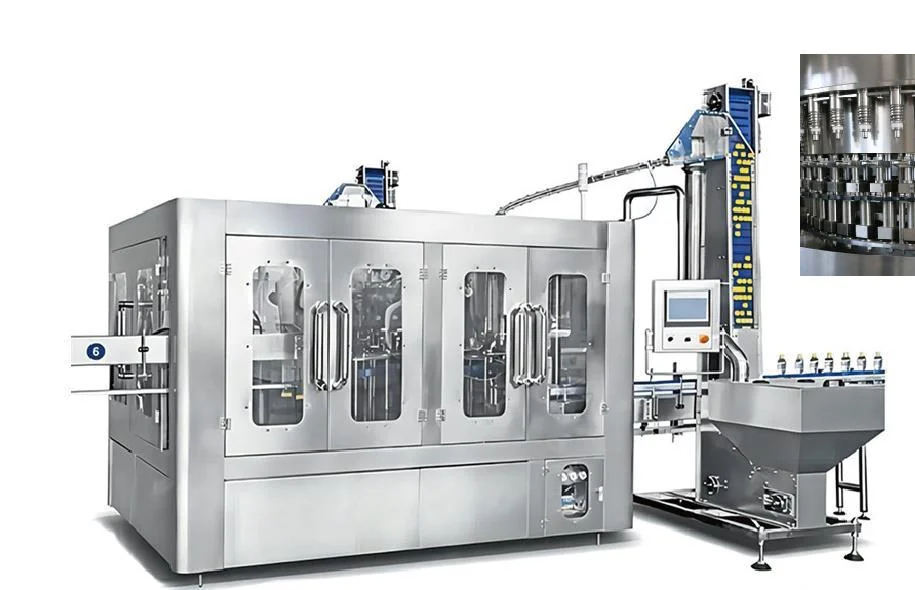
BUYER DECISION WORKBENCH
Reserve the future blower connection when starting with purchased bottles
A phased project can begin with purchased containers and add blowing later. Preserve the future machinery space, utility route, transfer elevation and machine-state interface in the initial layout.
| Decision now | Why it matters later | Keep in the project record |
|---|---|---|
| Bottle and neck design | Future molds and filler handling must use the approved format | Bottle/preform drawings, neck finish and sample revisions |
| Bottle-feed arrangement | Purchased-bottle loading and online blowing need different receiving paths | Normal production route, future entry point and any backup route |
| Air and cooling provision | A new blower adds demands that existing utilities may not meet | Verified future load schedule and planned distribution space |
REQUIRED INPUTS
Prepare the evidence before selection
Missing fields should remain marked as open rather than converted into assumptions.
- Bottle drawing and annual demand
- Finished-bottle and preform supply options
- Transport distance and storage space
- Mold and neck-finish plan
- Available compressed air and cooling
- Maintenance and quality capability
- Future format plan
TRADE-OFFS
Make the choice visible
Every option changes the machinery, operating work or project boundary.
Finished bottles
Simplify machinery while moving cost and quality dependence to the bottle supplier.
In-house blowing
Improves bottle-making control while adding capital, utilities and specialist maintenance.
Air conveyor transfer
Reduces empty-bottle floor handling but requires a controlled neck and filler connection.
PURCHASING RISKS
Do not let these gaps hide in the quotation
Carry every unresolved item into clarification and contract documents.
- Comparing bottle and preform prices without logistics
- Ignoring compressor and chiller scope
- Selecting molds before freezing bottle and neck data
- Leaving blower-to-filler control behavior undefined
WORK SEQUENCE
Move from data to a controlled next action
- 01
Freeze bottle demand and design.
- 02
Build both total-scope routes.
- 03
Compare logistics and utilities.
- 04
Review quality and maintenance ownership.
- 05
Protect the chosen transfer interface.
BUYER QUESTIONS
Answers to common bottled-water machinery searches
Use these answers to prepare the next supplier question; final configuration remains project-specific.
Is it cheaper to buy empty bottles or blow PET bottles in-house?
The answer depends on demand, freight, storage, preform cost, molds, utilities, labor, maintenance and scrap. Compare both routes on one total-scope basis.
What machinery is added for in-house PET bottle blowing?
The scope can include preform feeding, blow molding, molds, high- and low-pressure air, cooling, air treatment, bottle transfer and quality checks.
Representative machinery views
Compare the machinery form before selecting the project scope
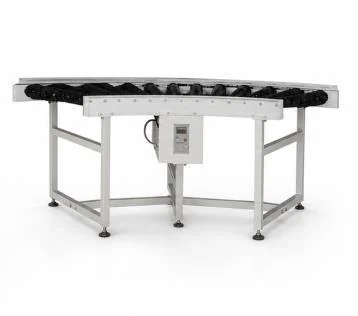
Technical descriptions are selection guidance. Final machine, capacity, material, component, interface, utility and service details must be confirmed in the project proposal.
Content reviewed:
NEXT PURCHASING ACTION
Compare the whole bottle-supply system.
Send bottle demand, factory and utility data for a make-or-buy scope review.