
Equipment list intent · scope completeness
Build the Complete Bottled Water Machinery List by Production Stage
Buyers searching for a complete bottled water machinery list usually need more than a row of machine names. The useful list must show what is core, optional, retained, buyer-supplied and still waiting for project data.

DIRECT ANSWER
What the buyer should decide
Start at the raw-water source and follow product, container and final pack through every stage. Record each machine, its upstream input, downstream output, capacity basis, utility connection, control interface, evidence state and commercial responsibility.
| Decision field | Confirm | Why it changes the purchase |
|---|---|---|
| Product path | Treatment, storage, filling and sanitation modules | Controls water quality and product-contact scope |
| Container path | Preform or bottle supply, handling, capping and inspection | Controls machine interfaces and change parts |
| Finished-pack path | Label, code, pack, pallet and warehouse handoff | Controls saleable-unit completion |
BUYER DECISION WORKBENCH
A machinery list you can mark line by line
Use this as an equipment ledger rather than a compulsory package. For every stage mark REQUIRED, OPTIONAL, EXISTING, BUYER-SIDE or OPEN, then name the interface and evidence needed to close the line item.
| Production stage | Machinery and equipment blocks | The decision that changes the list |
|---|---|---|
| Water preparation | Raw-water feed, pretreatment, RO or UF where selected, treated-water storage and product delivery | Raw-water analysis, target water and treatment design determine the actual train. |
| Bottle supply | Purchased-bottle receiving and unscrambling, or preform feed, PET blow molding, molds, air, cooling and transfer | Choose purchased bottles or in-house blowing; do not include both as a hidden default. |
| Rinsing, filling and closure | Bottle rinse or preparation, water filling, capping heads, cap hopper, sorter and chute | Bottle, neck, cap, product path and output basis determine the arrangement. |
| Label and traceability | Bottle conditioning, label applicator, coder and any defined inspection or reject equipment | Bottle surface, label construction, artwork and code substrate determine the equipment. |
| Secondary packing | Bottle collation, shrink wrapper, tray packer or case packer with discharge conveyor | The approved sellable pack determines the machine family and consumables. |
| Line movement and control | Bottle and pack conveyors, accumulation, sensors, interlocks and line controls | Layout, bottle stability and stop/restart behavior determine each transfer. |
| Pallet and warehouse handoff | Pack handling, palletizing and related pallet or stretch-wrap scope where selected | Pallet pattern, load, warehouse method and labor plan determine whether it belongs in supply. |
- Add a scope status and responsible party to every row.
- Write existing machine identities beside any stage that will be retained.
- Keep utilities and interconnecting work visible as separate line items.
- Send the completed ledger with the bottle, cap, label and pack data instead of requesting a generic complete-line price.
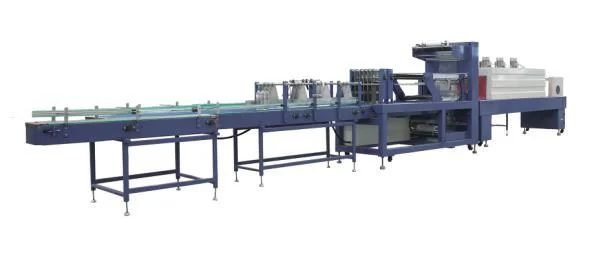
REQUIRED INPUTS
Prepare the evidence before selection
Missing fields should remain marked as open rather than converted into assumptions.
- Raw-water and target-water data
- Bottle, preform and cap drawings
- Saleable output by bottle size
- Label and code specification
- Final-pack and pallet pattern
- Factory layout and utility data
- Existing machines to retain
TRADE-OFFS
Make the choice visible
Every option changes the machinery, operating work or project boundary.
One integrated scope
Reduces interface gaps while requiring a clear boundary for every supplied and buyer-side item.
Machine-by-machine purchase
Can phase investment but increases responsibility for compatibility and commissioning.
Retain existing equipment
Can reduce capital cost when dimensions, speed, controls and condition are verified.
PURCHASING RISKS
Do not let these gaps hide in the quotation
Carry every unresolved item into clarification and contract documents.
- Omitting utilities and conveyors from the equipment list
- Comparing lists with different bottle or output assumptions
- Treating optional inspection as included
- Leaving existing-machine interfaces undocumented
WORK SEQUENCE
Move from data to a controlled next action
- 01
Freeze the project basis.
- 02
Map product and container states.
- 03
Classify every machine and owner.
- 04
Add utilities, interfaces and evidence.
- 05
Issue one controlled machinery list for quotation.
BUYER QUESTIONS
Answers to common bottled-water machinery searches
Use these answers to prepare the next supplier question; final configuration remains project-specific.
What machines are needed for a bottled water plant?
The scope normally considers water treatment, bottle supply or blowing, bottle handling, rinsing-filling-capping, cap handling, labeling, coding, inspection, packing, conveyors, controls and utilities.
Is every machine required for every project?
No. Bottle sourcing, pack format, automation target, retained equipment and factory responsibilities change which items are core, optional or buyer-side.
Representative machinery views
Compare the machinery form before selecting the project scope
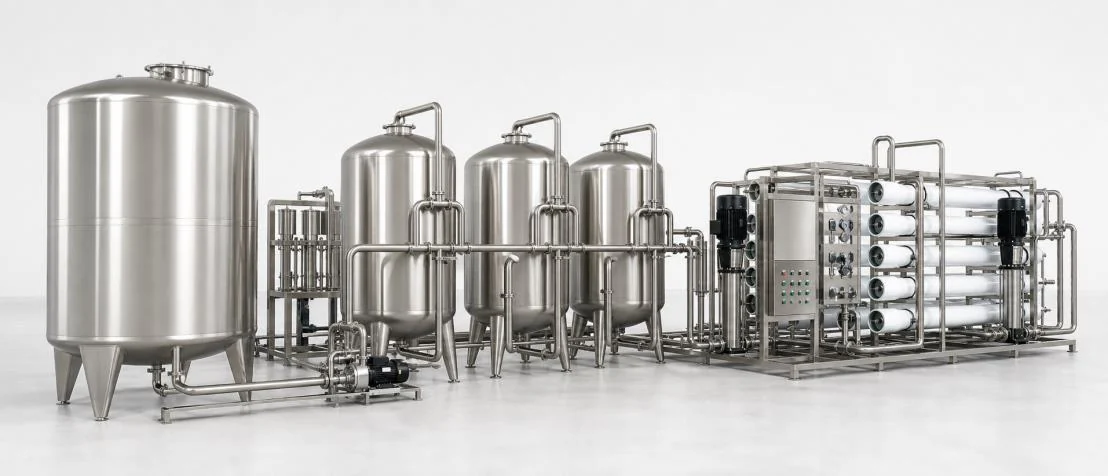
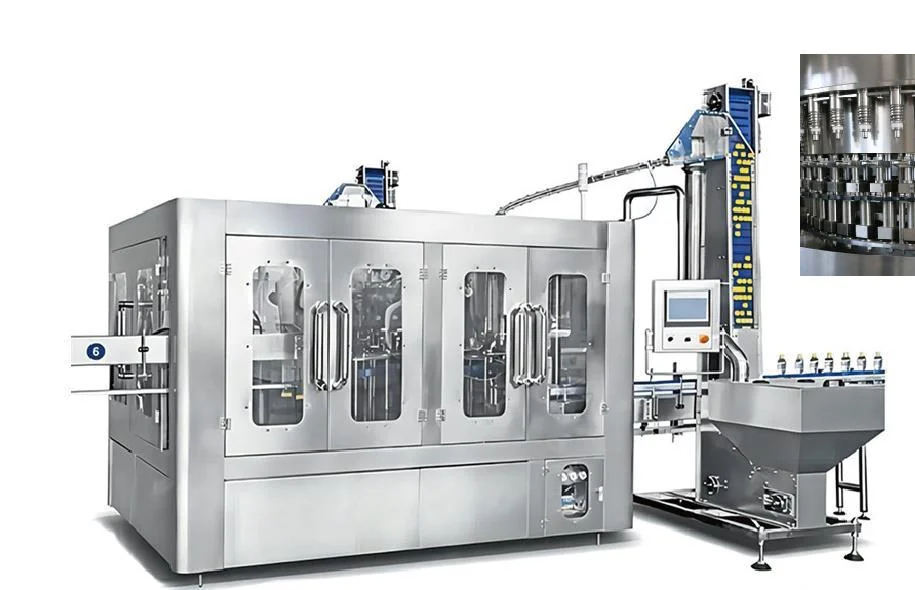
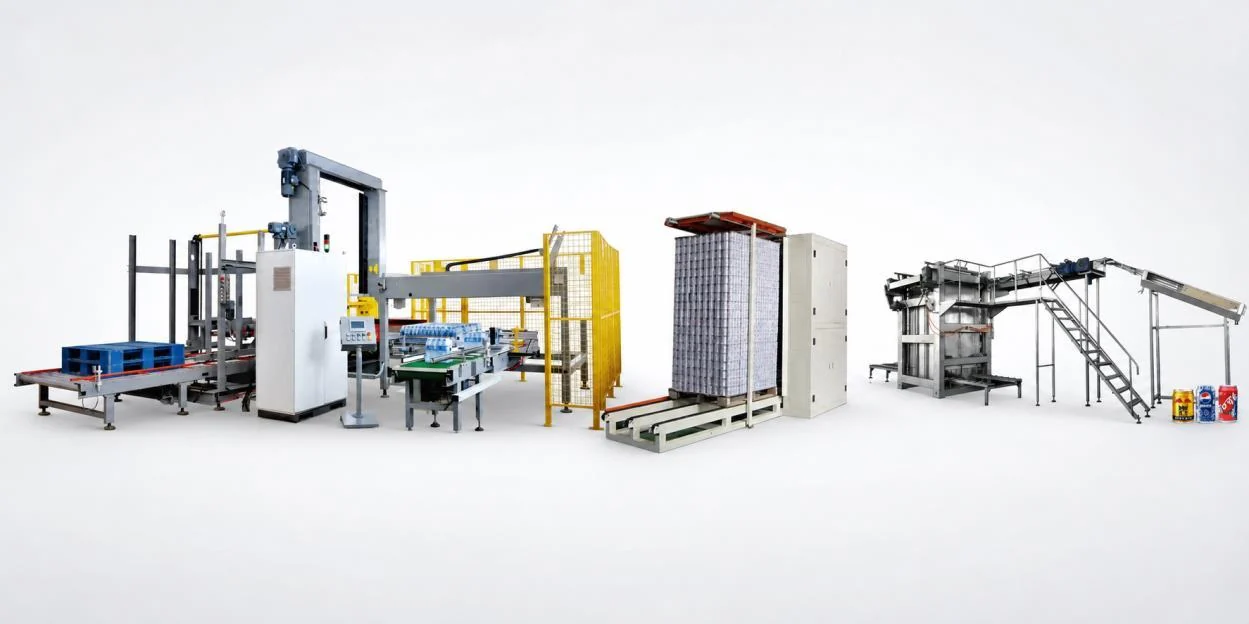
Technical descriptions are selection guidance. Final machine, capacity, material, component, interface, utility and service details must be confirmed in the project proposal.
Content reviewed:
NEXT PURCHASING ACTION
Turn the equipment list into one controlled RFQ.
Send the water, bottle, output, pack and factory basis for a project-specific machinery list.