
Label technology comparison · bottle-led selection
Choose Sleeve, OPP or Self-Adhesive Labeling for Water Bottles
Labeling technology changes the applicator, consumables, artwork rules, bottle-surface requirements and downstream inspection. The correct choice starts with the bottle and market presentation, not the labeler name alone.
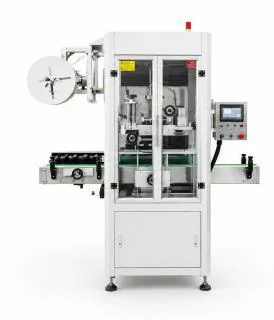
Solve the production problem before buying more machinery
Use a measured symptom and a controlled retest to decide whether the next action is material correction, maintenance, interface work or a machine change.
Wrinkled, skewed or lifting bottle labels?
Separate sleeve, OPP and self-adhesive routes. Locate the first visible defect and retest the approved bottle and label before changing the machine.
Wrinkled or skewed bottle labelsDIRECT ANSWER
What the buyer should decide
Shortlist shrink sleeve for decoration that follows the bottle contour, roll-fed OPP for a repeatable wraparound panel, or self-adhesive for defined labels dispensed from a liner. Then test the actual bottle surface, artwork, material and output. Neither bottle volume nor the cheapest label roll chooses the right applicator.
| Decision field | Confirm | Why it changes the purchase |
|---|---|---|
| Shrink sleeve | Sleeve material applied and shrunk around the bottle | Verify shrink result, seam and bottle heat response |
| OPP roll-fed | Continuous film cut and wrapped with overlap | Verify bottle geometry, adhesive system and registration |
| Self-adhesive | Pressure-sensitive labels dispensed from a liner | Verify surface condition, panel and label construction |
BUYER DECISION WORKBENCH
Which label route should enter your shortlist?
These are selection starting points, not universal compatibility rules. Full-body appearance, a regular wraparound panel and a shaped front/back label are different decoration tasks; test the finished result before freezing the machine specification.
| Route | Start here when | Reconsider or test carefully when | Additional scope |
|---|---|---|---|
| Shrink sleeve | Artwork must follow more of the bottle contour or cover a large area. | Heat exposure, distortion, seam position or uneven shrink could affect the bottle or artwork. | Sleeve cut/place unit, matched tunnel, heat/steam service and finished-sleeve inspection. |
| Roll-fed OPP / hot-melt | The bottle provides a suitable repeatable wraparound label panel. | Shape, panel variation, overlap or unstable presentation prevents consistent wrapping. | Reel/registration control, cutting, bonding system and seam/overlap checks. |
| Self-adhesive | The design uses one or more defined labels supplied on a release liner. | Condensation, surface condition, label stiffness or alignment prevents reliable adhesion. | One or more application stations, bottle orientation, wipe-down and liner take-up. |
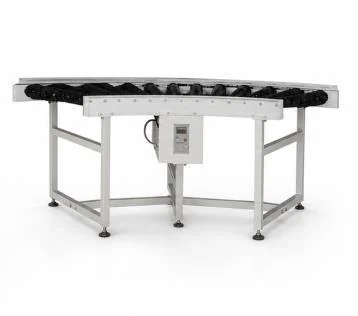
BUYER DECISION WORKBENCH
Compare the applied label, not just the purchase price of the roll
Keep the same bottle, decoration area, acceptable appearance and production plan when comparing methods. A shorter label, less coverage or omitted tunnel makes a low headline price an unequal comparison.
| Cost or operating item | Normalize the comparison |
|---|---|
| Label material | Labels actually applied, startup material, roll ends and rejected decorated bottles; distinguish material cost from process yield. |
| Equipment and services | Applicator, tunnel or adhesive system, drying, code unit, inspection and their confirmed utility schedules. |
| Format changes | Same SKU sequence; time boundary from last good old-format bottle to first approved new-format bottle, plus stable-run criteria. |
| Operator and waste handling | Roll replenishment, splicing if supplied, liner/film waste, routine cleaning and exception handling. |
| Quality basis | Agreed decoration and code criteria evaluated under the same bottle surface and operating conditions. |
No universal cheapest method, percentage saving or staffing figure is established here. Use actual approved consumable quotations and comparable trial records.
REQUIRED INPUTS
Prepare the evidence before selection
Missing fields should remain marked as open rather than converted into assumptions.
- Bottle drawings and samples
- Label material and dieline
- Artwork registration marks
- Bottle temperature and moisture
- Application and code positions
- Required output and format range
- Inspection criteria
TRADE-OFFS
Make the choice visible
Every option changes the machinery, operating work or project boundary.
Full-body sleeve
Provides extensive decoration while adding shrink-tunnel and material-control requirements.
Roll-fed OPP
Can suit high-volume wrap labels when bottle geometry and film control are stable.
Self-adhesive label
Supports flexible label shapes while adding liner waste and surface-adhesion sensitivity.
PURCHASING RISKS
Do not let these gaps hide in the quotation
Carry every unresolved item into clarification and contract documents.
- Choosing from artwork appearance alone
- Ignoring condensation after filling
- Testing a different bottle resin or wall profile
- Leaving code and inspection positions unresolved
WORK SEQUENCE
Move from data to a controlled next action
- 01
Freeze bottle and label data.
- 02
Compare the application technologies.
- 03
Test the bottle surface condition.
- 04
Define changeover and inspection.
- 05
Approve production-representative samples.
BUYER QUESTIONS
Answers to common bottled-water machinery searches
Use these answers to prepare the next supplier question; final configuration remains project-specific.
Which label machine is best for water bottles?
There is no universal best type. Bottle geometry, label construction, artwork, condensation, code position, output and changeovers determine the suitable technology.
Can one labeler run sleeve, OPP and self-adhesive labels?
These are different application technologies and normally require different machine arrangements, consumables and process controls.
Representative machinery views
Compare the machinery form before selecting the project scope
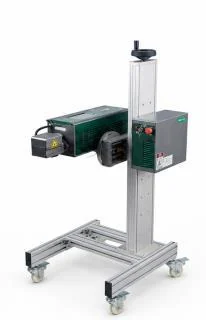
Technical descriptions are selection guidance. Final machine, capacity, material, component, interface, utility and service details must be confirmed in the project proposal.
Content reviewed:
NEXT PURCHASING ACTION
Match label technology to the actual bottle.
Send bottle, label and artwork data for a side-by-side technology review.