
Bottled water production: solve one problem
Compressed-Air Pressure Drop at a PET Blower: Locate the Supply Boundary
A normal compressor display during idle time does not establish the air available at a PET blower during demand. Compressor discharge, receiver/distribution and the installed machine inlet are different points. A low-pressure alarm alone does not identify a leak, restriction or undersized compressor.
Ask qualified utility and machine specialists for synchronized records from existing approved measurement points and the actual demand timeline. Record pressure basis, point identity and instrument response. Keep the high-pressure blowing circuit distinct from any lower-pressure control circuit; do not prescribe a new setpoint or open a live pressure connection.
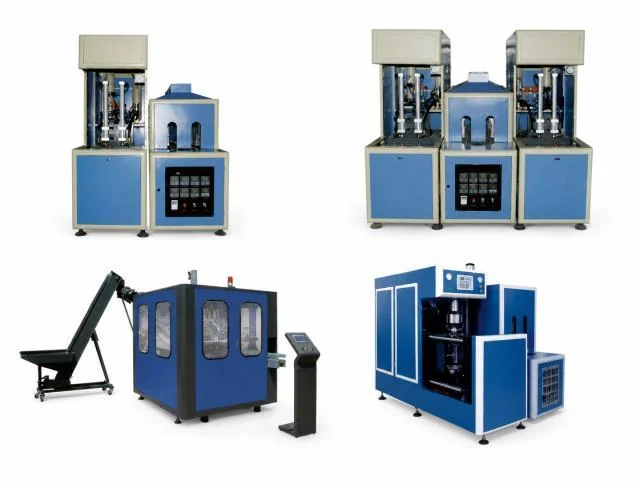
Measure the same event at identified approved points
List the machine serial and installed blowing/control-air requirements from approved documents, existing supply route and shared consumers. Identify source, receiver/distribution and inlet points by the actual installation. A nameplate maximum, idle gauge and peak-demand record must not be substituted for each other when judging available service.
Use qualified personnel and existing approved instruments; any new instrumentation requires an authorized isolated pressure-system procedure. Record time synchronization, units, gauge-versus-absolute basis, sampling response and demand phase. An instrument too slow for the event may show uncertainty rather than a true absence of a drop. Keep relevant air-quality and utility acceptance requirements separate from pressure alone.
Illustration: 5 demand windows failing the OEM/project-agreed inlet assessment among 50 comparable recorded windows equal 10%. This is the share of failing windows, not a 10% pressure loss, compressor efficiency or permissible failure rate. Repeated readings inside one window do not become new demand events.
Find the first pressure boundary that changes with demand
Compare points only when time, pressure basis and response are compatible. A downstream difference can be investigated without pretending that the first gauge identifies the failed component.
| Pattern | Linked evidence | Review scope |
|---|---|---|
| Source and machine inlet fall together at matching demand | Synchronized source/inlet records and shared-consumer timeline | Supply generation, control and demand review by utility specialists |
| Source stays within its agreed assessment but inlet changes | Same-event distribution/inlet records and actual route | Distribution/storage/restriction interface, not assumed compressor replacement |
| Only one circuit or machine reports the event | Correct circuit identities, actual requirements and peer observations | Local branch or machine interface; separate blowing from control air |
| Alarm and independent approved record disagree | Clock alignment, instrument response and exact measurement point | Measurement/monitoring uncertainty before component diagnosis |
Retest demand after one authorized utility correction
Compressed air stores hazardous energy. Never loosen fittings under pressure, bypass relief devices, raise a pressure limit or improvise a receiver from this article. Qualified personnel follow pressure-system isolation and OEM requirements.
- 01
Preserve the initial synchronized records, requirements and demand/consumer timeline.
- 02
Agree approved measurement points, instrument suitability, safe access and the inlet acceptance basis.
- 03
Have qualified utility and machine specialists isolate and authorize one correction to the identified boundary.
- 04
Repeat the same demand windows and shared-consumer conditions with matched recording response.
- 05
Confirm the machine-side service and separately required air-quality, safety and package checks before production release.
Quote verified demand and retained utility interfaces
A source-wide shortfall, a distribution issue and a local branch event are different procurement tasks. Installing a larger compressor without a linked demand record does not establish the cause, and a stable pressure trace alone does not prove suitable air quality or successful bottle formation.
Send Allot Tech and the responsible utility supplier the approved machine requirements, installed supply diagram, actual consumer schedule and synchronized records. Ask which compressor, booster, receiver, treatment, piping and measurement responsibilities are included or retained. Do not infer a complete utility package from a photograph of the blow molder.
Document engineering ownership for pressure-system design, local compliance, machine interface and connected acceptance. If future formats or output targets change demand, identify them as new design conditions. A short isolated trial cannot demonstrate performance with every simultaneous consumer or justify a general energy-saving claim.
- Machine serial and approved circuit requirements
- Installed supply/branch diagram and retained equipment
- Existing measurement-point and instrument identities
- Synchronized pressure basis, response and demand windows
- Shared-consumer schedule and relevant air-quality scope
- Utility designer, machine supplier and acceptance owners
Questions buyers ask
Does an idle compressor gauge prove sufficient blowing air?
No. Compare synchronized approved records at the machine inlet under the actual demand and shared-consumer conditions. Keep instrument response and pressure basis explicit.
Does a 10% failed-window rate mean pressure dropped by 10%?
No. It describes five failing windows among fifty. Pressure difference requires compatible point measurements for the same event and is a different quantity.
Related troubleshooting guides
Water filling machine low output
Water filling machine low output →Water bottle shrink-pack problems
Water bottle shrink-pack problems →Cap leaks after capping
Cap leaks after capping →Wrinkled or skewed bottle labels
Wrinkled or skewed bottle labels →Uneven fill levels and underfill
Uneven fill levels and underfill →Conveyor jams and tipping
Conveyor jams and tipping →Missing or unreadable date codes
Missing or unreadable date codes →Wet bottles after drying
Wet bottles after drying →Startup rejects after changeover
Startup rejects after changeover →Missing or extra bottles in packs
Missing or extra bottles in packs →Cap feeder jams and missing caps
Cap feeder jams and missing caps →PET bottle scuffing and scratches
PET bottle scuffing and scratches →Label web breaks and torn liners
Label web breaks and torn liners →Cartons reopening after sealing
Cartons reopening after sealing →PET bottle bases rocking after blowing
PET bottle bases rocking after blowing →Filling valves dripping between bottles
Filling valves dripping between bottles →Reject signal without physical bottle removal
Reject signal without physical bottle removal →Water pallet loads leaning after stacking
Water pallet loads leaning after stacking →Bottle sidewalls pulling inward after capping
Bottle sidewalls pulling inward after capping →Crooked or cross-threaded bottle caps
Crooked or cross-threaded bottle caps →Missing or intermittent bottle-rinser jets
Missing or intermittent bottle-rinser jets →Sleeve cutting drifts against the printed artwork
Sleeve cutting drifts against the printed artwork →Ask Allot Tech to review the evidence
Send your machine identification, package drawing and timed observations. State what is unknown so the proposed scope follows the actual problem.