
Buyer scenario · Multi-format production
Select Machinery for Multiple Bottle Sizes and Real Changeovers
Several nominal bottle volumes do not automatically form one compatible machine range. Neck finish, bottle height and diameter, base stability, label panel, cap, pack pattern and transfer behavior must be checked machine by machine.
DIRECT ANSWER
What the buyer should decide
Buy a defined format capability, not a vague range of bottle volumes. Give each SKU a controlled bottle, cap, label and pack record; list the parts and settings each machine needs, then agree how the changeover and acceptable restart will be tested.
| Decision field | Confirm | Why it changes the purchase |
|---|---|---|
| Common neck finish | Can machines remain neck-handled? | May reduce some format changes but does not settle body handling |
| Label and pack | Does every bottle use the same material and pack pattern? | Often changes downstream machinery setup |
| Changeover method | Manual parts, assisted adjustment or recipes? | Changes repeatability, training and investment |
BUYER DECISION WORKBENCH
Build a format matrix that identifies what you actually buy
Use one row per sellable SKU, not one row per nominal volume. Two 500 ml bottles can have different necks, panels or bases; a shared neck may simplify one transfer without making the filler, labeler and packer interchangeable. Assign a drawing revision and parts identity to each affected machine.
| Format field | Record for every SKU | Purchase or acceptance consequence |
|---|---|---|
| Bottle and closure | Drawing revision, volume, height/diameter, neck finish, cap drawing and samples | Identify grips, neck guides, stars, supports and closure parts; verify the approved pair. |
| Filling and inspection | Fill reference, measurement method, proposed rate and inspection recipe | Request format-specific trials, not the 500 ml catalog rate for every bottle. |
| Label and code | Label material, panel, label dimensions, artwork revision and code location | Identify application parts, sensors and the correct job/recipe. |
| Finished pack | Bottle count, grouping, carton/tray/film, pack dimensions and pallet interface | Check lane dividers, guides, format tooling and output in packs per minute. |
| Changeover supply | Part number, quantity, identification, storage location and required adjustment/tool | Make supplied-now, retained and future-purchase items explicit. |
BUYER DECISION WORKBENCH
Define the changeover clock before comparing claims
Compare like-for-like endpoints: the last conforming finished pack of format A to the first conforming finished pack of format B after the agreed restart checks. Record whether preparation, cleaning, material clearance, adjustments, trials and final release are inside the timing boundary. This is a procurement test definition, not a machine operating procedure.
| Stage | Evidence to record | Avoid this shortcut |
|---|---|---|
| Preparation | Correct parts, materials, drawings and trained personnel ready under the agreed test conditions | Comparing a pre-staged demonstration with an unprepared production change. |
| Machine and material change | Affected modules, identified parts, controlled recipes and completion record | Treating a recipe selection as proof that physical parts and materials match. |
| Restart and quality release | First acceptable bottle and first acceptable finished pack, test waste and unresolved checks | Stopping the timer at first machine motion or first unapproved bottle. |
| Stable operation | Agreed observation period and output/quality record after release | Claiming the entire shift rate from a short favorable restart interval. |
Use the machine manufacturer's authorized procedures and qualified personnel for access, isolation and restart. This page does not prescribe interventions or promise a changeover time.
REQUIRED INPUTS
Prepare the evidence before selection
Missing fields should remain marked as open rather than converted into assumptions.
- Drawing and sample for every bottle
- Preform and cap matrix
- Label and pack specification per SKU
- Expected campaign length
- Allowed changeover work and time
- Storage and identification of change parts
TRADE-OFFS
Make the choice visible
Every option changes the machinery, operating work or project boundary.
Broad format range
Increases commercial flexibility but adds parts, trials and setup control.
Tool-free adjustment
Can reduce tools while still requiring verified settings and parts.
More recipes
Improves repeatability only when physical changes and permissions are controlled.
PURCHASING RISKS
Do not let these gaps hide in the quotation
Carry every unresolved item into clarification and contract documents.
- Approving the smallest and largest volume without all geometries
- Forgetting labels or packs in the format matrix
- Mixing unmarked change parts
- Assuming nameplate speed is unchanged across formats
WORK SEQUENCE
Move from data to a controlled next action
- 01
Create the SKU matrix.
- 02
Map format impact by machine.
- 03
List parts and recipe changes.
- 04
Define trial and FAT samples.
- 05
Write the operating and storage method.
Representative machinery views
Compare the machinery form before selecting the project scope
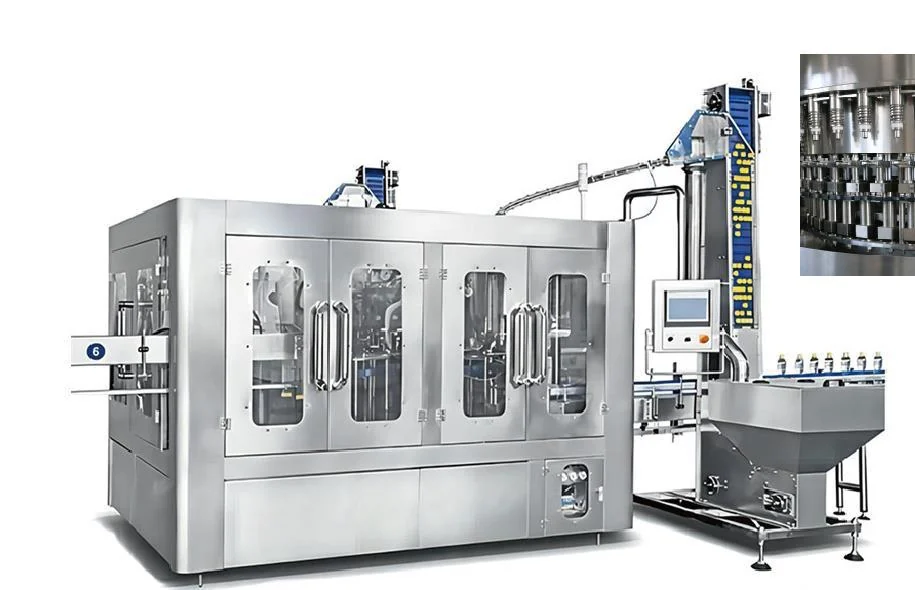
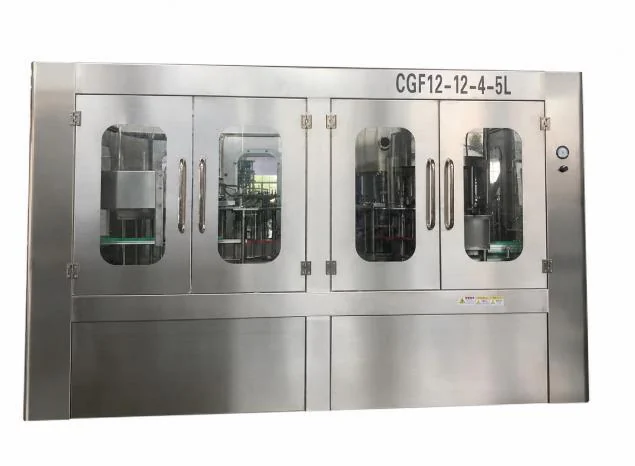
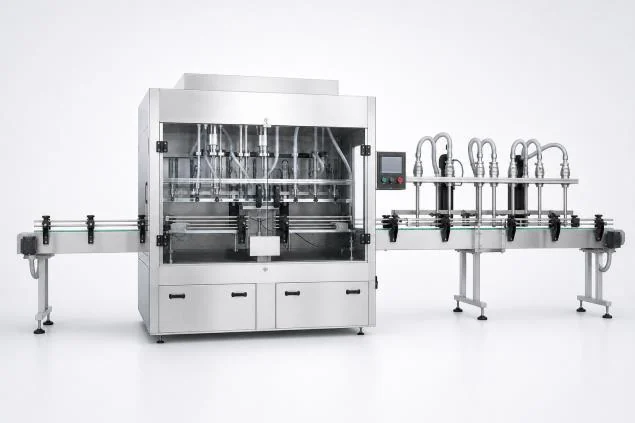
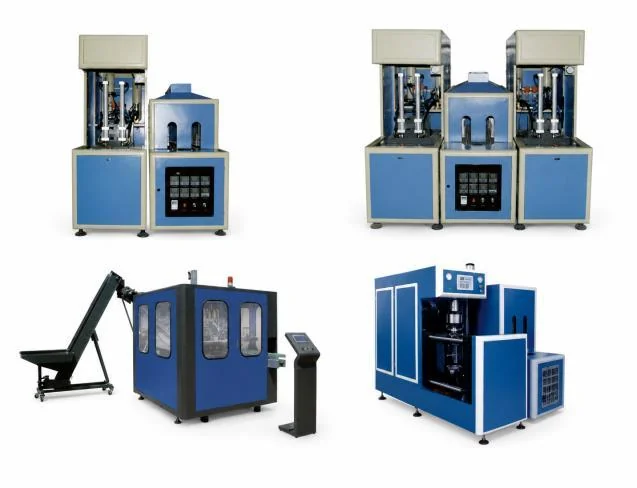
Technical descriptions are selection guidance. Final machine, capacity, material, component, interface, utility and service details must be confirmed in the project proposal.
Content reviewed:
NEXT PURCHASING ACTION
Send every bottle, not only the priority size.
A format matrix exposes hidden change parts and downstream differences.