
Buyer guide · Quotation normalization
Compare Machinery Quotations on the Same Technical Basis
Quotation totals are not comparable until the product, bottle, output basis, machine list, options, exclusions, utilities, documents, FAT and delivery boundary are aligned. A lower price may represent a smaller or less defined package.
DIRECT ANSWER
What the buyer should decide
Create one comparison row for each machine, option, connection and deliverable. Record included, optional, excluded, buyer-side or unclear rather than converting missing information into assumptions.
| Decision field | Confirm | Why it changes the purchase |
|---|---|---|
| Technical basis | Same bottle, cap, label, pack and output definition? | Prevents false capacity comparison |
| Scope basis | Same machine and interface inclusions? | Prevents price comparison of different packages |
| Commercial basis | Same currency, Incoterm, payment trigger, tax and freight? | Prevents total-cost distortion |
BUYER DECISION WORKBENCH
Compare the missing equipment before comparing the total
Illustrative offer review: both proposals describe a 5,000 BPH PET water line, but their equipment lists differ. The table is a method for reviewing your own quotations; it is not a quotation from Allot Tech or another supplier.
| Comparison row | Offer A example | Offer B example | How to make them comparable |
|---|---|---|---|
| Bottle basis | 500 ml reference bottle | Reference bottle not stated | Require the same approved bottle/cap and a stated output for each other format. |
| Bottle supply | Buyer purchases finished bottles | Blower listed; auxiliaries unspecified | Choose one supply route; obtain the air, cooling, mold and transfer scope if blowing is selected. |
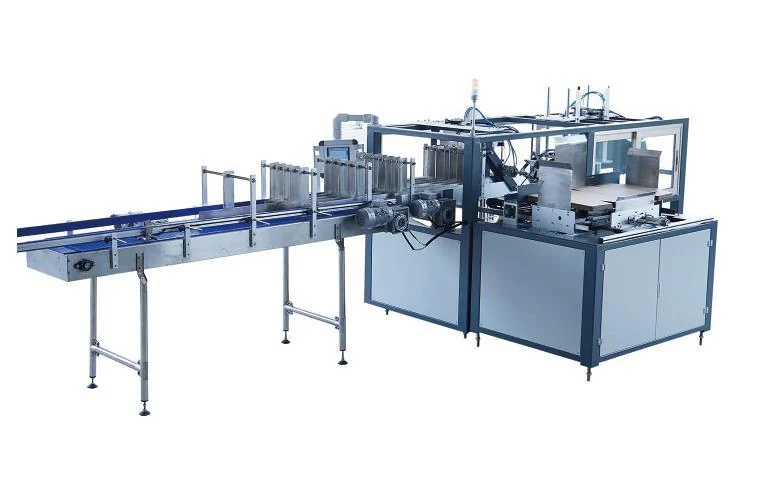
| Packing | Six-bottle film pack included | Packing listed as an option | Add the required packer and pack-specific format scope before comparing totals. |
| Conveyors and controls | Inter-machine transfers included | Each machine ends at its discharge | Assign transfer lengths, guides, sensors, signals and integration work. |
| Format parts | One bottle/cap combination | Number of formats not stated | List supplied parts by the same bottle/cap/pack matrix. |
| Acceptance | Run duration and counting point stated | Video demonstration only | Agree comparable test conditions, inspection records and open-item handling. |
| Site service | Work scope and exclusions stated | Commissioning available on request | Obtain an explicit scope and separately priced travel/local-work obligations. |
Compare: base machine price + required options + missing connecting equipment + assigned site work + agreed delivery/service items. An unpriced mandatory item stays OPEN; it must not become zero in the total.
REQUIRED INPUTS
Prepare the evidence before selection
Missing fields should remain marked as open rather than converted into assumptions.
- Complete supplier quotations
- One controlled project brief
- Equipment and option matrix
- Utility and interface schedules
- FAT/document/spares lists
- Commercial terms and exclusions
TRADE-OFFS
Make the choice visible
Every option changes the machinery, operating work or project boundary.
Detailed offer
Takes more review but exposes assumptions and open items.
Short offer
May be faster to read while hiding important boundaries.
Alternative option
Is useful only when its effect on scope, fit and evidence is stated.
PURCHASING RISKS
Do not let these gaps hide in the quotation
Carry every unresolved item into clarification and contract documents.
- Comparing one supplier option to another supplier inclusion
- Ignoring different bottle or pack bases
- Leaving interface work outside the matrix
- Selecting on price before clarification closure
WORK SEQUENCE
Move from data to a controlled next action
- 01
Freeze the comparison brief.
- 02
Break each quote into rows.
- 03
Mark status and evidence.
- 04
Issue clarification questions.
- 05
Compare revised offers.
- 06
Carry exceptions into the contract.
Technical descriptions are selection guidance. Final machine, capacity, material, component, interface, utility and service details must be confirmed in the project proposal.
Content reviewed:
NEXT PURCHASING ACTION
Turn quotation gaps into written questions.
Build a consistent RFQ and comparison structure before supplier selection.