
Buyer guide · Operational readiness
Plan Maintenance and Spare Parts Before Shipment
The spare-parts list should be linked to the final machine configuration, installed components, operating plan and local supply conditions. Startup spares, wear parts, format parts, electrical spares and consumables serve different purposes and should not be mixed into one undefined package.
DIRECT ANSWER
What the buyer should decide
Start with the as-built machine and part identity, not a percentage of the machine price. Link every proposed spare to its location, revision, failure consequence and replenishment route. Keep ongoing maintenance planning separate from the initial startup kit and packaging consumables.
| Decision field | Confirm | Why it changes the purchase |
|---|---|---|
| Startup | Items needed for installation, commissioning and early operation | Protects the initial production period |
| Routine wear | Seals, guides, belts, cutters and approved consumables | Supports planned maintenance |
| Critical failure | Long-lead electrical or mechanical items | Supports the buyer risk decision |
BUYER DECISION WORKBENCH
Make a spare-parts request identifiable on the first exchange
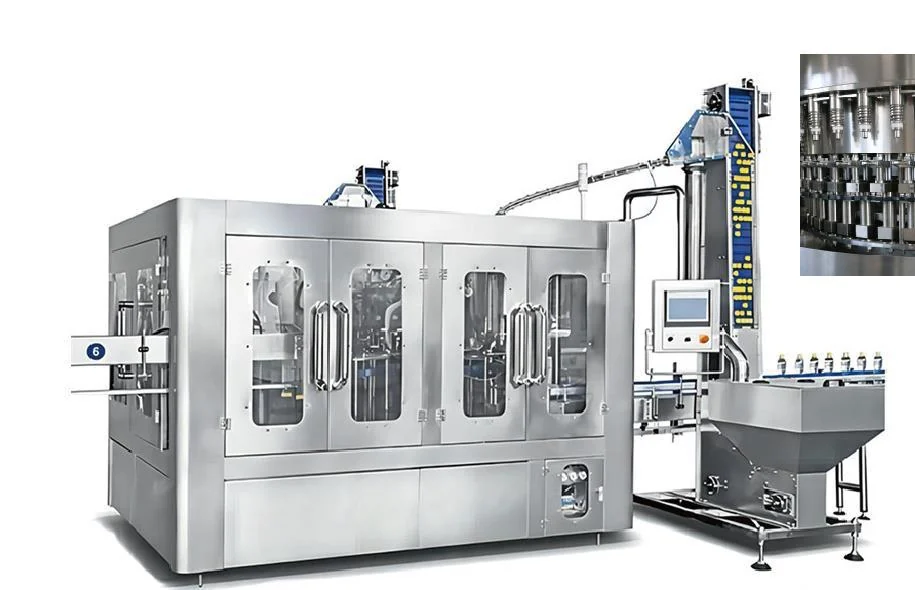
A picture helps identify a part, but it does not replace the controlled part number and machine configuration. Use this record before ordering a replacement or asking whether a local substitute fits.
| Record field | What to send or confirm |
|---|---|
| Machine identity | Equipment tag, manufacturer/model, serial number and relevant modification record |
| Part identity | Supplier part number, description, drawing position and revision; photograph as supporting evidence |
| Installed duty | Machine location, product-contact or non-contact role, material and interface requirements |
| Configuration match | Quantity per machine, left/right or size variant, connected component and any superseded number |
| Availability and preservation | Confirmed source, replenishment lead time, storage requirements and shelf life where applicable |
| Technical acceptance | Written compatibility decision and any required verification before use |
BUYER DECISION WORKBENCH
Prioritize spares by consequence and recovery route
A low-cost part can stop production, while an expensive item may have a confirmed local recovery option. Compare these conditions before deciding which items to hold.
| Part category | Decision to make | Avoid this shortcut |
|---|---|---|
| Routine wear item | Use the manufacturer's maintenance basis and actual duty/history to plan replenishment | Publish a universal replacement interval for every bottling line |
| Long-lead production-critical item | Compare the consequence of failure with approved local alternatives and delivery time | Assume every expensive electronic part must be stocked |
| Product-contact item | Control material, dimensions, approved compatibility and storage | Choose a seal only because it has a similar size or color |
| Format part | Identify the exact SKU and complete matched set | Treat an ordinary maintenance spare as a bottle-format conversion |
| Control or electronic item | Confirm hardware, firmware/parameters, backups and replacement responsibility | Assume a matching label makes installation plug-and-play |
This is a purchasing and record framework, not a repair procedure. Isolation, depressurization, sanitation and return-to-service work belong to qualified personnel following the applicable machine procedures. No spare quantity or replacement interval is implied.
REQUIRED INPUTS
Prepare the evidence before selection
Missing fields should remain marked as open rather than converted into assumptions.
- Final BOM/component list
- Operating hours and format changes
- Local supplier availability
- Criticality and lead-time policy
- Storage conditions
- Maintenance skill and tool availability
TRADE-OFFS
Make the choice visible
Every option changes the machinery, operating work or project boundary.
Broad spare holding
Improves readiness but ties capital and requires controlled storage.
Local standard parts
Can shorten response when exact specifications and compatibility are confirmed.
Remote support
Works better with backups, labels, drawings and trained local technicians.
PURCHASING RISKS
Do not let these gaps hide in the quotation
Carry every unresolved item into clarification and contract documents.
- Buying an unnamed spare package
- No change-part storage or identification
- No software and parameter backups
- Using incompatible local substitutes
WORK SEQUENCE
Move from data to a controlled next action
- 01
Classify startup, wear, critical and consumable items.
- 02
Link each item to the machine and drawing.
- 03
Set stock and storage rules.
- 04
Prepare maintenance records and backups.
- 05
Verify delivered spares before shipment.
BUYER QUESTIONS
Answers to common bottled-water machinery searches
Use these answers to prepare the next supplier question; final configuration remains project-specific.
Is a fixed percentage of machine price a useful spare-parts list?
It can be a commercial allowance, but it does not identify the required parts. Ask for itemized part numbers, installed locations, quantities, inclusion status and replenishment assumptions.
Can I buy a locally available equivalent part?
Only after its specification and compatibility are confirmed for the installed duty. Record the approved substitute, relevant revision and verification requirements rather than relying on appearance.
How often should bottling-machine parts be replaced?
Follow the applicable manufacturer's maintenance requirements and review actual duty, condition and service history. This purchasing guide does not provide a universal operating-hour or calendar interval.
Technical descriptions are selection guidance. Final machine, capacity, material, component, interface, utility and service details must be confirmed in the project proposal.
Content reviewed:
NEXT PURCHASING ACTION
Create the spare-parts planning sheet.
Use categories and open questions without inventing fixed quantities.